Virginia, now enrolling

Virginia Medication Aide training, from CNA to med tech

Apex's Virginia Medication Aide program is a 68-hour course approved by the Virginia Board of Nursing. Classes are live online, with day or evening cohorts, plus in-person clinical days in Richmond, Manassas, Portsmouth or Radford. Tuition is $925, all-inclusive, and the program takes about 6 weeks.

Virginia Board of Nursing Approved Medication Aide Training Program, Approval No. 0030000391 (registered with the Board as Apex Clinical Training Institute).

Need per diem coverage for your community? Get a clear quote in one call

Approval

Is the Apex program approved by the Virginia Board of Nursing?

You become eligible to test as a Medication Aide after you complete the program.

Yes. Apex is listed on the Virginia Board of Nursing roster of approved Medication Aide training programs under Title 18VAC90-60 of the Virginia Administrative Code. Your certificate of completion includes our program approval number, and it is recognized by Virginia assisted living employers.

Program approvalApex's Virginia Medication Aide Program Approval No. is 0030000391.
Clinical partnerApex clinical training runs in partnership with Commonwealth Senior Living.
Class sizeApex in-person classes are capped at 10 students each.
PrerequisiteYou need an active CNA, PCA or Direct Care credential to enroll.

Why become a Medication Aide

Why become a Medication Aide, and why train with Apex?

Medication Aides play a critical role

  • Giving medications safely
  • Supporting nurses and care teams
  • Improving resident outcomes and daily care quality

What it means for you: a higher-responsibility role beyond basic caregiving, a higher earnings ceiling in a growing field, better jobs in assisted living, and a fast, structured step forward in healthcare.
Why Apex?

Most programs focus on completing hours. We focus on preparing you for the job and the state exam.

  • Training aligned with state exam testing windows
  • Exam preparation built into every unit
  • Nurses with real assisted living experience teach you
  • Hands-on training that mirrors real care settings
  • A workforce-driven approach aligned with what employers expect
Medication Aide and Med Tech are the same program. It runs in Virginia today, New Jersey is coming soon, and we will open in other states.

Your instructors

Taught by 4 licensed nurses.

Four licensed nurses with decades of combined assisted living medication experience. Real practitioners who teach from the job.

Melissa Flowers, RN, Program Director of the Apex Virginia Medication Aide program

Melissa Flowers, RN

Program Director

Senior Director of Health and Wellness at Five Star Senior Living since 2020, with clinical oversight across 44 communities in 6 states.

RN, compact licenseBSN, Walden UniversityWound certifiedCertified Dementia Practitioner
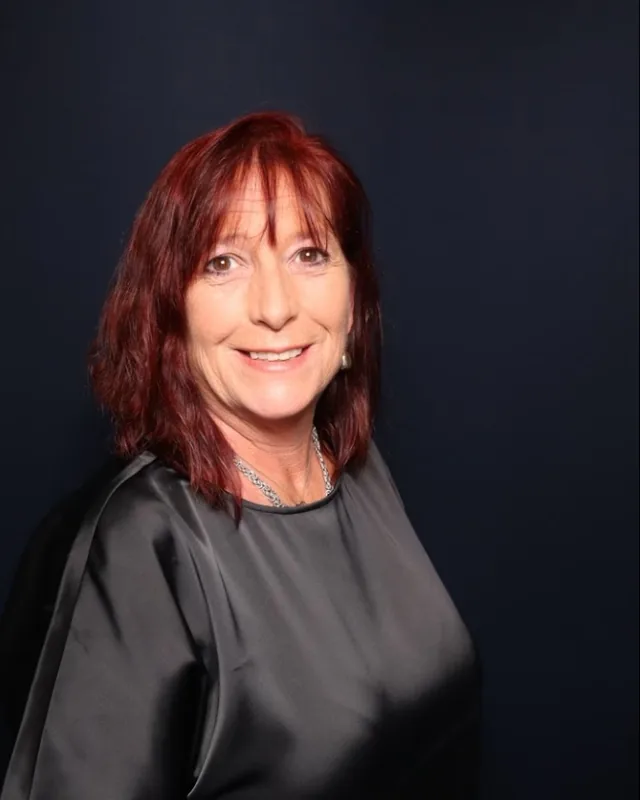
Christy Ruiter, BSN, RN, Lead Instructor

Christy Ruiter, BSN, RN

Lead Instructor

Registered nurse with more than 8 years of hospital nursing across critical care, ICU, PACU, hybrid OR and interventional radiology. Certified Medication Aide Instructor with a hands-on, confidence-building teaching style.

RN, BSNMedication Aide InstructorBSN, Western Governors
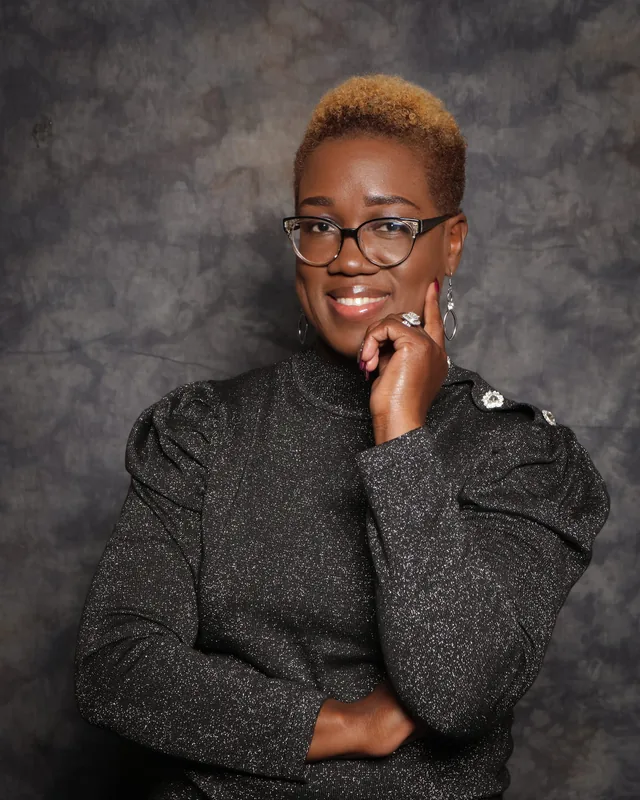
Elvira Whitaker, LPN, Clinical Instructor

Elvira Whitaker, LPN

Clinical Instructor

Licensed Practical Nurse with more than 35 years serving aging and disability communities. Former Director of Long-Term Support Services with deep experience in regulatory compliance and dementia care.

LPNNurse Aide TrainerDementia care certified
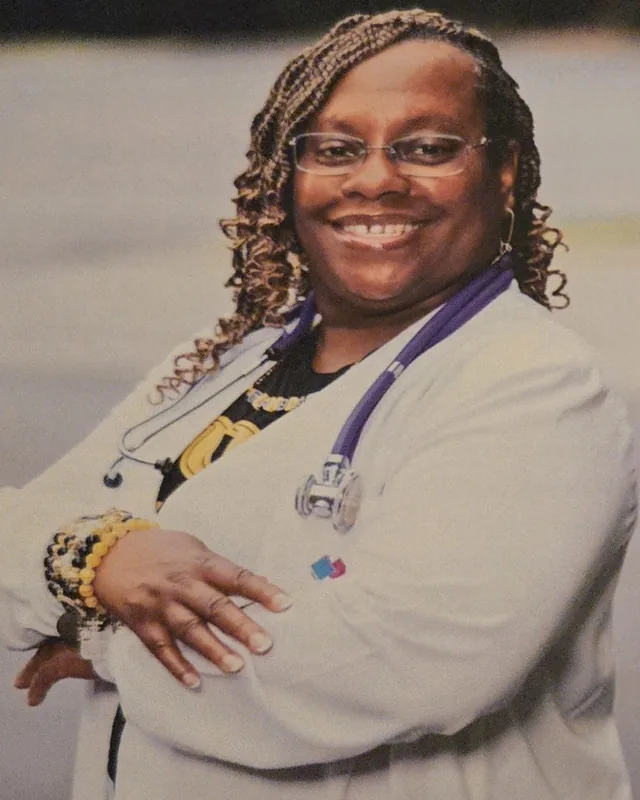
Ronjeanna L. Harris, LPN, Clinical Instructor

Ronjeanna L. Harris, LPN

Clinical Instructor

Licensed Practical Nurse with more than 28 years in healthcare, including 16 years in skilled nursing. Certified Medication Aide Instructor and CPR Instructor.

LPNMedication Aide InstructorCPR Instructor

68 hours

68 hours, live online and in person.

The program takes about 6 weeks from start to finish.

40

Live online class hours

Live on Zoom, in a day or an evening cohort.

20

Hours of skills practice

Supervised and in person, with 1 instructor for every 10 students.

8

Hour insulin module

In person, covering diabetes care and safe insulin administration.

Curriculum

What does the Virginia Medication Aide curriculum cover?

7 units based on the Virginia Board of Nursing-approved Medication Aide curriculum, with extra clinical hours. Open any unit to see what it covers.

Unit 1. Legal and ethical issues (7 topics, about 6 hours)

  • Ethical and legal standards, and the scope of practice for Medication Aides in assisted living facilities.
  • What happens after a violation: loss of registration, loss of eligibility and disciplinary action.
  • Client rights: informed consent, taking part in care planning, refusing treatment, privacy and freedom from chemical or physical restraints.
  • What Medication Aides may do: give medications in DSS-licensed assisted living facilities, insulin by prescriber order, and EpiPen and Glucagon in emergencies only.
  • What Medication Aides may never do: pour for others, pre-pour, transfer labels, write prescriptions, or give IM, IV, NG or non-insulin subcutaneous injections.
  • Mandated reporting under Virginia Code section 63.2-1606.A: when and how to notify Adult Protective Services.
  • Confidentiality, HIPAA awareness and documentation standards.

Unit 2. Preparing for safe administration (8 topics, about 10 hours)

  • OSHA and standard precautions: gloves, hand hygiene, sharps disposal, biohazardous waste and PPE.
  • Cleaning, disinfecting and infectious waste packaging.
  • Emergency response: call 911, help the client and collect the medical record for the provider.
  • Communicating with clients who are cognitively impaired or have aphasia, guided by their individualized service plan.
  • Behavior management with antecedent, behavior and consequence, plus directing and redirecting.
  • Measuring and recording temperature, pulse, respirations, blood pressure and pulse oximetry.
  • 24-hour (military) time in documentation.
  • The six rights: right client, right medication, right dose, right route, right time and right documentation.

Unit 3. The basics of medication administration (9 topics, about 10 hours)

  • Medication forms, routes (by mouth, under the tongue, rectal, topical, inhaled), measurements and timing.
  • Where medications come from, and generic and trade names.
  • Classification by body system, mechanism, disease and dispensing schedule.
  • Drug schedules I through VI and the Federal Drug Control Act.
  • Over-the-counter medications: a provider order is required, and they are documented like prescriptions.
  • How the body absorbs, distributes, metabolizes and excretes medications.
  • What changes how a medication works: age, weight, gender, disease, genetics, diet and exercise.
  • Reference sources: the Physician's Desk Reference, USP-NF, Nurses Drug Handbook and the Pill Book.
  • Required forms: the prescriber's order form, the MAR and the medication error report.

Unit 4. Prepared instillations and treatments (6 topics, about 12 hours)

  • Why the client receives each medication, and the delivery system: vial, blister pack, unit dose or multi-dose.
  • Routine, PRN and single-dose orders. Medication Aides may not give stat orders (22VAC40-73-680(N)(2)).
  • Reading the label 3 times, checking the expiration date and allergies, and taking vital signs when needed.
  • The one-hour window (22VAC40-73-680(C)): not earlier than 1 hour before or later than 1 hour after the dose time.
  • Hands-on practice with every permitted route: oral, eye, ear, nasal, topical, vaginal, rectal, inhaled and transdermal.
  • The EpiPen emergency protocol: give it, call 911 and document.

Unit 5. Storage and disposal of medication (6 topics, about 4 hours)

  • Storage standards: a medication-only cabinet and the original pharmacy containers.
  • Label rules: only a pharmacist may transfer or change a label.
  • Keeping internal and external medications apart, eye drops stored separately, and temperature-specific storage.
  • Over-the-counter storage (22VAC40-73-680(G)): the original container with the resident's name, or a pharmacy-issued container.
  • Counting Schedule II to V controlled substances by facility protocol.
  • Disposal and loss documentation.

Unit 6. Special issues in medication administration (8 topics, about 6 hours)

  • How aging changes the way medications work, and adverse reactions and non-adherence in older adults.
  • The four classes of psychotropic medications: antidepressants, antianxiety, antipsychotics and antimanic.
  • Recognizing depression, anxiety, bipolar disorder, psychotic disorders and individual disabilities.
  • Chemical restraints (22VAC40-73-10): recognizing the danger and using behavior management instead.
  • Recording behavior as objective facts ("client is pacing, fists clenched") rather than opinions ("agitated").
  • The Beers Criteria: medications considered inappropriate for older adults.
  • Active and passive medication refusal: respond by the service plan, notify the provider and document.
  • Over-the-counter and herbal preparations: a provider order is required, with MAR documentation.

Unit 7. Insulin administration (7 topics, about 6 hours)

  • Type 1 and type 2 diabetes: causes and management.
  • Managing diabetes with diet, exercise, oral medications and insulin injections.
  • High and low blood sugar: causes, signs, symptoms and treatment.
  • Blood glucose monitoring, random and fasting, documented by facility protocol.
  • Insulin delivery: syringe, pen and other devices.
  • Subcutaneous injection technique with a pen or vial, including mixing two insulin types.
  • The boundary: non-insulin injections are not permitted (18VAC90-60-110(B)(5)).

Schedule

When are Virginia Medication Aide classes held?

Same Board-approved curriculum, 20 hours a week either way. Pick the schedule that fits your life.

Morning class9:00 AM to 1:00 PMMonday to Friday, live online
Evening class5:00 PM to 9:00 PMMonday to Thursday, plus Saturday 9:00 AM to 1:00 PM, live online
Hands-on training (both classes)In person, during the day20 hours of supervised skills practice plus your exam, at a senior living community in Richmond, Manassas, Portsmouth or Radford. Evening students: plan to take daytime hours off work for these sessions.

Upcoming start dates

Starts

Mon, Nov 30, 2026

Morning or evening

Starts

Mon, Jan 4, 2027

Evening

Starts

Mon, Feb 1, 2027

Morning

Starting in 2027, morning and evening classes alternate every month. You choose your training location when you enroll. Save $300 with code 300MED.

Tuition

How much does Virginia Medication Aide training cost?

One fee covers everything. Most programs charge for the course, then again for materials, then again for the certificate. We do not.

Virginia

Medication Aide (Med Tech) training

$925all-inclusive

68 hours, about 6 weeks

  • Tuition for all 68 hours
  • Training materials and resources
  • Clinical coordination at a partner site
  • Certificate of completion
  • Background check
  • Instructor access and exam-prep support

You can pay in full or split your tuition into payments with Klarna.

The credential typically lifts hourly pay $3 to $6 over a CNA rate in assisted living, with a typical pay range of $18 to $24 an hour, based on Virginia assisted living job postings in 2026. For most caregivers the $925 fee is recouped within the first one to two months of the new role.

After you apply

From application to your first class.

  1. Apply

    Send the form and tell us whether you want the day or the evening cohort.

  2. Review

    We check your prerequisites and get back to you, usually within a few business days.

  3. Set up

    Approved applicants get the next steps, including tuition, the background check and the enrollment agreement.

  4. Start class

    Your class details arrive before day one.

Reviews

Students on the Virginia program.

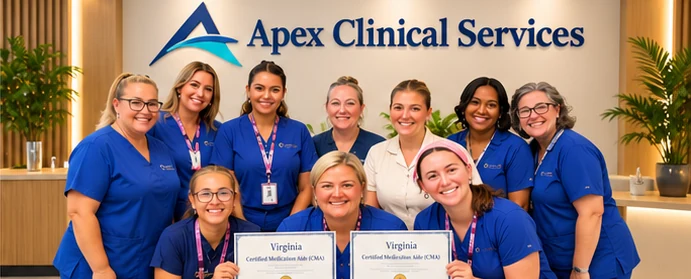
Apex Virginia Certified Medication Aide graduates with their certificates

Christy was an excellent Med Tech instructor. She was patient, encouraging, and made the class feel comfortable and welcoming. She explained the material clearly and gave us practical examples that helped connect what we were learning to real situations in senior living. I left the course feeling much more confident and prepared.

Medication Technician studentTaught by Christy Ruiter, RN

Melissa was extremely knowledgeable and professional throughout the Medication Technician course. She took the time to make sure every student understood the material and was always willing to answer questions or explain something again. Her teaching style was organized, supportive, and easy to follow. I would highly recommend her as an instructor.

Medication Technician studentTaught by Melissa Flowers, RN

Apex provided a professional and supportive learning environment. The instructor made sure we understood medication safety, documentation, resident rights, and proper administration procedures. I left the class feeling prepared to use what I learned on the job.

Medication Technician studentApex Medication Aide class

Locations

Where are the in-person clinical days?

At a Commonwealth Senior Living partner community in Richmond, Manassas, Portsmouth or Radford. You pick your location when you enroll.

Questions

Questions people ask

Call or text us if your question is not here.

What do I need to become a Medication Aide in Virginia?

You need an active CNA, PCA or Direct Care credential, completion of a Virginia Board of Nursing-approved Medication Aide course, and a passing score on the state competency exam. Apex covers the course. The exam is run by a contracted testing service.

Will this program prepare me for the state exam?

That is the whole point of the curriculum design. Every unit ends with exam-style practice questions, and the final week of clinical follows the testing format.

Is this an online Medication Aide program?

It is hybrid. The classroom portion is live online in day or evening cohorts. Skills practice and clinical hours are in person at Commonwealth Senior Living partner communities.

Can I work while taking this class?

Yes. The program is designed around work. Most students are working CNAs or PCAs adding the credential, and the evening cohort exists for second-shift caregivers.

Can my employer pay for my class?

Many employers do. Ask your administrator about tuition assistance, or have them contact Apex about reserving your seat.

Where will my clinical training take place?

At a Commonwealth Senior Living partner community in Manassas, Portsmouth, Radford or Richmond. In-person classes are capped at 10 students each.

Contact us

Apply for Virginia Medication Aide training

Send the form with your name, your current credential and whether you want the day or the evening cohort. We usually reply within a few business days.

Talk to Apex

Be ready for the state exam, and the job after it

Call, text or send the form to start your application.